You should learn how to pack paintings for moving, or you’ll end up damaging your artwork. Keep in mind that these pieces are fragile, valuable, and often irreplaceable. Sculptures and other forms of art face the same risks.
All of these react to vibration, pressure, heat, and moisture. One bump in the road can cause frames to crack or for paint to flake. A poor wrap job can trap humidity and cause warping.
If you’re inexperienced in moving valuable artwork, you should consider hiring professional movers. They know the risks and have the know-how to do it successfully. But if you’re determined to do it yourself, we have some tips on packing artwork the right way.
For the complete room-by-room and item-by-item packing instructions, see our How to Pack for a Move guide.
Key Considerations Before Packing Artwork
Don’t start packing just yet. First, you need to lay the groundwork to make packing go smoother. Consider the following points.
- Assess the Type of Artwork: Different artwork materials (such as canvas, glass, metal, or clay) respond to pressure and movement in different ways. Using the wrong packing method can cause cracks or surface damage.
- Determine Overall Value: You can determine what a piece is worth based on sentimental or monetary value. Knowing what truly matters helps you decide how much protection is needed for each art piece.
- Evaluate Climate Sensitivity: Temperature and humidity changes can permanently damage artwork. They can cause warping, paint cracking, or fading.
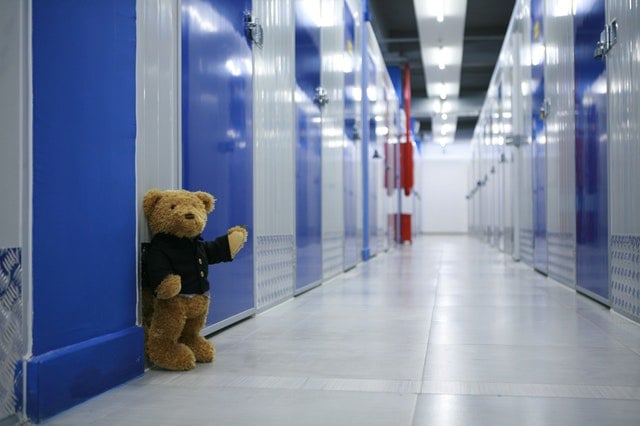
- Consider the Move Distance: Long-distance moves increase exposure to vibration, handling, and delays. That raises the chance of damage. Local moves have fewer risks. If you’re storing your art in a storage facility, find one that caters to canvas art and similar pieces.
Essential Packing Supplies for Artwork

As alluded to earlier, there’s a correct way of packing a specific type of artwork. You don’t just put them inside a moving box. You have to research which packing supplies you’ll need for the job.
Below is a list of commonly used packing supplies that an art moving company.
- Acid-Free Packing Paper: Wrap surfaces safely without risking ink transfer, discoloration, or chemical damage.
- Bubble Wrap: Cushion sturdy frames and sculptures. Just make sure that the bubble wrap doesn’t come into direct contact with painted surfaces, so it doesn’t stick or leave imprints.
- Corner Protectors: Shield frame edges from dents and chips caused by bumps during loading and unloading.
- Foam Board Sheets: Add rigid support to prevent bending, punctures, or pressure damage.
- Corrugated Cardboard Panels: Use these panels to create protective layers around artwork. Doing so reduces empty space so art pieces don’t shift during transport.
- Specialty Wooden Crates: Provide maximum protection for sculptures or high-value art during long-distance moves.
- Packing Tape: Seal your artwork inside specialty moving boxes securely. In a pinch, you can use masking tape. Just know that masking tape isn’t as secure as packing tape.
- Stretch Wrap: Stabilize wrapped pieces and keep layers from shifting during transport.
- Soft Foam Padding: Fill empty spaces to reduce vibration and internal movement inside boxes or crates.
- Labels and Markers: Mark your boxes as fragile. You can also use it to provide proper handling instructions.
- Clean Gloves: Handle artwork safely without transferring oils, dirt, or fingerprints.
- Silica Gel Packets: Control moisture inside packaging during storage. This also helps prevent damage caused by humid conditions.
- Painter’s Tape: Secure wrapping layers and protective materials in place. This type of tape doesn’t leave residue or damage frames, glass, or artwork surfaces.
How to Pack Paintings and Framed Art
You could say that paintings and other framed pieces are the easiest to pack. Sculptures and 3D art, not so much.
Unframed Canvas Paintings

Unframed paintings leave the surface fully exposed. So you have to be extra careful when wrapping them up.
Here’s how you should pack them before loading them into a moving truck.
- Protect the Painted Surface: Lay acid-free glassine paper directly over the front to prevent sticking, scuffing, or paint transfer.
- Wrap From Front to Back: Fold the paper around the edges and toward the back of the canvas. That way, nothing rubs against the paint.
- Secure the Paper Layers: Apply painter’s tape to the back of the canvas only. Keep the tape loose, so it holds the wrapping paper without pulling tightly across the frame or canvas.
- Add Structural Support: Place foam board or cardboard on the front and back of the canvas to create rigidity.
- Secure the Support: Tape or stretch wrap around the foam board and canvas. Keep it snug, not tight.
- Add Cushioning: Wrap the entire package with bubble wrap for added protection.
Framed Paintings and Prints
Framed paintings require a similar approach, but additional factors apply.
Let’s take glass and acrylic glazing, for example. Glass and acrylic glazing are transparent covers placed over framed artwork to protect the surface.
You have to know which type of protection your painting uses because they respond differently during a move. Glass can crack or shatter from impact. Acrylic scratches easily and builds static. Both surfaces need a barrier to prevent direct contact and surface damage.
Also, keep in mind that frames are vulnerable at the corners and along the edges. It’s possible to twist the frame or chip the finished corners if you apply too much pressure. You’ll need rigid support on both sides to keep the artwork flat and even.
Flat packing increases stress on the glazing. So it’s better to pack your artwork in an upright position. Doing so reduces pressure and lowers the risk of breakage during transport.
Packing Steps
- Protect the Surface: Cover glass or acrylic with acid-free paper. Tape glass only if needed.
- Stabilize the Frame: Add cardboard corner protectors and place cardboard or foam board on the front and back.
- Control Movement: Secure the structure, wrap with bubble wrap, and pack the artwork vertically in padded specialty boxes.
Oversized or Valuable Paintings
If you have artwork that’s oversized, you may want to use a custom crate. This method offers better protection, especially when dealing with fragile items. A custom crate creates a rigid shell that limits movement during transport.
This is the same method used when shipping artwork internationally or over long distances. It also serves as temporary, climate-controlled storage, which is better for art pieces.
Custom-built wooden crates are more secure than standard boxes, which can flex under heavy weight and provide less structural protection.
How to Pack Sculptures and 3D Artwork

Packing sculptures and 3D artwork can be a hassle just because of their uneven shapes. You have to be careful with how you handle each one.
- Identify Fragile Areas: Examine your artwork to find areas that are most likely to break.
- Protect Delicate Points First: Wrap fragile areas with soft foam or padding. This helps absorb shock during transport.
- Build Layers Gradually: After covering the most fragile areas, add bubble wrap over foam. Reinforce with additional padding to create even protection. Slowly build up layers until you achieve full coverage.
- Choose Boxing or Crating: You can use heavy-duty boxes for smaller pieces. But for larger pieces, you could put them inside custom crates.
- Stabilize the Interior: Support the sculpture at its strongest points and fill the space so it can’t shift.
Packing Fragile and Mixed-Media Art
Here’s a step-by-step guide on packing fragile pieces of artwork.
- Identify Materials and Components: Separate ceramics, glass, and mixed-media elements so you can wrap each material correctly.
- Wrap Each Piece Separately: Wrap each component separately. You can add extra cushioning to fragile edges, joints, and decorative details.
- Stabilize the Artwork: Fill the space so pieces can’t shift or collide during transport.
- Add Labels: Mark boxes clearly with “Fragile,” “This Side Up,” and handling notes to guide safe transport.
Labeling, Loading, and Transport Best Practices

The job doesn’t stop after packing. Proper labeling, loading, and transport are just as important. Here’s how you do it.
You start by labeling each box clearly before you move it. Add “This Side Up” arrow markings so you (or the people helping you move) carry the boxes in the correct orientation. If stacking could cause damage, add a note like “Do Not Stack.”
As you load, keep artwork separate from household items. Don’t place it near furniture, appliances, or boxes filled with heavy items. Give them their own space so nothing can smash into them during the drive.
Load artwork last and unload it first when you reach your destination. This limits exposure to extreme temperature and humidity. You don’t want your artwork sitting inside a hot or cold vehicle for too long.
Common Mistakes to Avoid When Packing Artwork
Packing artwork goes wrong most often because of small, avoidable mistakes.
- Wrapping Artwork Directly in Plastic: Plastic traps moisture and can cause sticking, condensation, or surface damage over time.
- Using Newspaper or Low-Quality Paper: Ink can transfer onto the artwork. Also, cheap paper can tear or leave residue.
- Laying Framed Art Flat in Trucks: Stacking paintings on top of each other increases pressure. Doing so can damage the glass or frame.
- Overpacking Boxes: Placing artwork with household goods can damage the canvas. Each piece of art should be packed by itself.
- Underestimating Vibration Damage: Use padding and tight stabilization so the artwork can’t shift during transport.
When to Use Professional Art Packing & Moving Services
Basically, if you’re struggling to pack and move your art pieces, consider hiring professional art movers. This is especially relevant if lifting or handling heavy items safely is a concern. You can also ask for help if solo moves aren’t your thing and you’d rather have other people take charge of the process.
Pros know how to handle an art collection. If you’re uncomfortable moving highly valuable art pieces yourself, get them to pack and move them for you. This is especially true for those moving over long distances. The longer the trip, the greater the chance that something goes wrong without professional safeguards.
One of the perks of working with professional movers is that they often offer coverage options. This protects you financially in the event that your artwork is damaged during the move.
How Oz Moving Helps Protect Artwork During a Move

Hiring a professional mover gives you peace of mind by ensuring your artwork is handled with care. They understand how fragile and valuable art pieces are and know how to protect them from potential damage during the move.
In addition, they’ll arrive on moving day equipped with the right tools for the job. They’ll even come with custom crates that are designed for moving valuable art pieces. Having these will ensure that your artwork arrives in one piece.
If you don’t want to deal with the stress of moving, hire professional art movers to do it for you.
How Oz Moving Supports Artwork Moves
A professional mover like Oz Moving plays a key role in keeping artwork safe from packing to delivery. Here’s how.
- Professional Packing Services: Provides proper wrapping, padding, and crating for paintings, sculptures, and fragile art.
- Trained and Experienced Movers: Handles delicate and oversized items with care because they understand balance, pressure points, and safe lifting.
- Secure Loading and Transport: Loads artwork last, secures it upright, and limits movement to reduce vibration and impact damage.
- Local and Long-Distance Move Options: Adjusts packing and transport methods based on distance, handling frequency, and climate exposure to lower risk.
Final Tips for a Safe Artwork Move
A smooth artwork move comes down to preparation and patience before the first box is sealed. These steps are even more crucial if you’re planning to hire movers to help with packing and transporting your pieces.
- Document Artwork Condition: Before packing begins, check each piece for existing damage. You’ll want to conduct an assessment to know your artwork’s condition going into the move.
- Take Photos for Insurance Purposes: Photograph artwork from multiple angles. This can serve as evidence to support claims if your artwork gets damaged during transport.
- Plan Unpacking in Advance: Decide where artwork will go so pieces aren’t left leaning, stacked, or exposed after arrival.
- Don’t Rush the Process: Take your time with packing and handling because mistakes usually happen when you’re trying to move too fast.
These additional steps may seem optional. However, doing so can save you from headaches should anything bad happen during the move.