
How To Pack for a Move
Learn From Experts in Packing and Moving
Packing is one of the hardest parts of any move. Not just physically but emotionally as well. So we understand why people tend to put it off until the very last minute.
The problem is that packing should be done weeks before you move. The only items you should be packing days before you move are your everyday essentials. Everything else should be in boxes by then.
That’s why you should have a clear packing system. In this guide, we’re sharing tips that can apply to any type of move. We’re basing this on our decades of experience helping people pack for a move. We’re also providing room-by-room and item-specific guides for trickier things to pack, like electronics and artwork.
Quick take: How to pack for a move
- Start packing 6 to 8 weeks before your move date.
- Pack off-season, rarely used, and decorative items first.
- Save the kitchen, bathroom, and daily essentials for last.
- Use sturdy double-walled boxes and label each one by room and contents.
- Put heavy items on the bottom of your storage container and cushion all six sides.
- Prepare a separate “first-night” box with essentials to keep with you.
Trusted by 500K+ Clients for Local, Long Distance & International Moves
4.6/5
1,300+ verified reviews
90%
Recommended across 349+ Facebook reviews
A+ Rated by BBB
A trusted BBB Accredited Business
What You'll Discover in This Guide
When to Start Packing
The blunt answer would be as soon as possible. For some, that could mean months in advance. But realistically, you’ll want to prepare 6 to 8 weeks before moving.
Here’s what your schedule should look like over the next few weeks.
- 6 to 8 Weeks: Declutter and clean your home to decide what’s coming with you.
- 5 Weeks: Donate or sell unwanted items to help you assess volume for your moving quote.
- 4 Weeks: Gather your packing supplies and finalize your moving details.
- 3 Weeks: Start packing non-essentials like décor, seasonal items, and storage areas.
- 2 Weeks: Pack room by room until only your daily essentials remain.
- Moving Week: Pack the remaining items and prepare your essentials bag.
For a detailed week-by-week packing schedule, check out: When to Start Packing for a Move

What to Pack First
What kind of items should you pack first? It should be the stuff you’re not going to use until after you’ve moved into your new home. Here’s a list of items that could fall under that category.
- Holiday and seasonal décor
- Off-season clothing and shoes
- Occasional-use kitchen items
- Home décor, artwork, and picture frames
- Jewelry and valuables (we recommend transporting these yourself)
- Office supplies
- Items in closets and storage units
- Rarely used electronics
For a prioritized packing order and room-by-room sequencing, check out: What to Pack First When Moving
Packing Supplies You'll Need
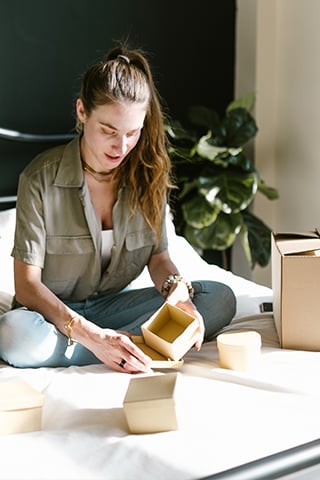
Packing would go a lot smoother if you had all the supplies you’ll need readily available. Below are just some of the packing supplies people reach for when moving. We recommend that you stock up on the following materials.
- Boxes: Make sure you have various kinds. Use double-walled boxes for dishes and wardrobe boxes for hanging clothes.
- Box Padding: You can use packing paper, bubble wrap, towels, and linens for cushioning.
- Moving Blankets: These protect furniture and appliances from scratches and dents.
- Plastic or Stretch Wrap: Use either to secure items or bundle them together.
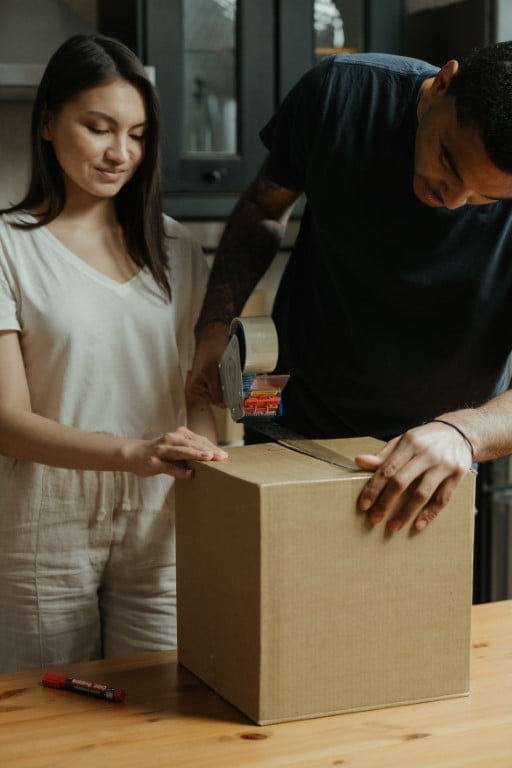
- Packing Tape and Tape Gun: We suggest using a tape gun if you’re handling lots of boxes.
- Markers and Labels: Labeling your boxes can speed up the unpacking process.
- Dolly or Furniture Cart: Use these to move heavy appliances and furniture around.
- Moving Straps or Rope: These will help you secure items in place inside the moving truck.
- Scissors, Box Cutter, Felt Pads, and Painter’s Tape: Some of these might come in handy during the packing process.
Tip: Some of our clients have found free boxes through Facebook Marketplace, Craigslist, liquor stores, and local retail shops. Make sure the boxes are sturdy and in good condition. Flimsy boxes may not withstand stacking and could collapse, potentially damaging your items.
Want someone else to pack for you instead? Talk to Oz Moving About Our Packing Services

General Packing Tips
Organizing your items will make you pack more efficiently. Here are a couple of tips that can help you pack like a pro.
Label Boxes Clearly
We always label each box when packing for our clients. We suggest you do the same so you’ll know where each box should go. You can also write down the items inside the box on a piece of paper and then attach it. Doing so will let you know where to put each box and the order you should unpack them.
Layer Your Boxes
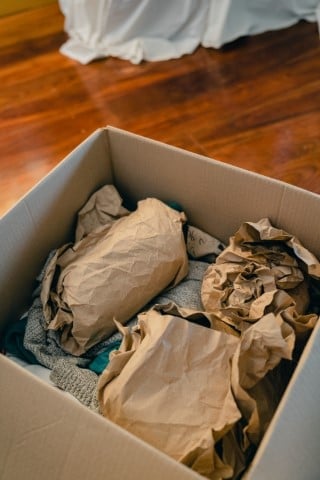
Cushion all six sides of every box with packing paper, bubble wrap, or towels. Place heavy items on the bottom and lighter ones on top. Fill each box completely with cushioning material to eliminate empty space, helping prevent items from shifting and reducing the risk of damage during transit.
Pack Essentials Separately
Make sure you pack all your essentials together. Keep your toiletries, a first-aid kit, medications, and a change of clothes in one bag. They’re easier to access that way.
Box Items That Belong Together
You don’t want to mix items that don’t belong together in the same box. Each box should only contain stuff that belongs in the same room. This will save you time when unpacking.
Enlist Help
Yes, you can enlist the help of family and friends. But you may want to hire professional movers, especially if you’re overwhelmed by the whole process. Companies like Oz Moving offer packing services where they do all the work for you.
Learn more about Oz Moving’s packing services below.
For a broader overview of moving costs by distance, location, and home size, see our complete moving cost guide.
Room-Specific Moving Guide
How to Pack a Kitchen
Kitchen equipment is the hardest to pack since you’ll likely use it until moving day. Also, dishware and appliances are fragile. So you’ll have to exercise caution when it’s time to put them away.
- Pack a Kitchen Essentials Box: Place kitchen items you’ll need on your first night in their own box. These can include a pan, utensils, a set of dishes, and your coffee maker.
- Clean Your Appliances: Wipe down and dry all appliances thoroughly before you pack them away.
- Use Double-Walled Boxes: Use these for packing fragile kitchen items like dishware.
- Wrap Dishes Individually: Wrap each piece with packing paper. Place heavier items at the bottom of the box.
- Pack Glasses Upright: Stand them up and use cardboard dividers if you have them.
For full kitchen packing instructions, including appliances and china, check out: How to Pack a Kitchen for Moving
For glassware and dishware specifically, see: How to Pack Glassware and Plates

How to Pack a Dining Room
Dining rooms are typically full of non-essential items. That makes them one of the best rooms to pack in advance. And once cleared, you could use yours as a staging area of sorts. This could be the main area where you do your prep work.
- Protect Table Surfaces: Use moving blankets to protect your table. You should disassemble the legs if possible.
- Store All Hardware: Keep screws and bolts in labeled resealable bags. Tape them to the furniture for easy access.
- Wrap Dining Chairs: Use bubble wrap or moving blankets to protect your furniture from scratches or dents.
- Protect Your Work Surface: If you’re using your dining table as a work surface, make sure it’s protected. An old tablecloth or flattened cardboard could shield the surface from scratches.
For step-by-step dining room packing instructions (including chairs, rugs, and lighting), check out: How to Pack a Dining Room for a Move

How to Pack a Living Room
You can start by packing your décor and knick-knacks. But you’ll want to save your furniture and electronics for last.
- Wrap Décor Items: Use packing paper and place heavier pieces on the bottom of each box.
- Photograph Cord Setups: Take pictures before disconnecting any electronics, especially the cords. You can use these as references when it’s time to set them back up.
- Protect Flat-Screen TVs: Use the original boxes if you still have them. You can also buy moving boxes made specifically for TVs in some hardware stores.
- Move Plants Yourself: Movers won’t transport live plants. Even more so if you’re crossing state lines, since USDA rules will apply.
For electronics packing specifically, check out: How to Pack Electronics When Moving

How to Pack a Bedroom
Because they’re so easy to pack, people often leave clothing and bedding for last. But it’s actually a good idea to pack these earlier. Doing so will give you more time to focus on packing the more complicated items later.
- Leave Clothes in Drawers: You don’t need to remove clothes from your dresser. Just secure them in place with stretch wrap.
- Use Wardrobe Boxes: Don’t remove hangers from clothes that need them. Use trash bags as a makeshift garment bag or wardrobe box to save money.
- Keep Jewelry With You: Movers won’t transport valuable jewelry. Pack it separately and carry it yourself.
- Pack a First-Night Bag: Set aside clothes and essentials. That way, you’ll have spare clothes should the movers take longer than expected.
For a complete clothing packing guide (including hanging items, shoes, and accessories), check out: How to Pack Your Clothes for Moving
For mattress packing specifically, see: How to Pack a Mattress for Moving

How to Pack a Bathroom
Packing a bathroom can be tricky because it’s usually full of liquid products. You’ll have to make sure they’re sealed properly.
- Pack a Toiletry Essentials Bag: You’ll want to have your daily toiletry essentials with you at all times.
- Seal Liquid Products: Place plastic wrap under the lid of liquid products. Screw the cap back tight and pack the bottle upright.
- Separate Appliances: Keep bathroom appliances like hair dryers away from liquids. Wrap them in towels or linens if you can.
- Dispose of Expired Medications: Use this opportunity to get rid of expired medicines.
For a full bathroom packing guide (including a complete toiletry list), check out How to Pack Toiletries for a Move
For liquids packing specifically, see: Packing Liquids for Moving

How to Pack a Laundry Room
Preparing to move your washer and dryer will take time. But as for the rest of the laundry room, it should be simpler.
- Use Laundry Baskets: Instead of buying a box, use your laundry basket to transport light items like linens, pillows, and stuffed animals.
- Run a Cleaning Cycle: You should run a cleaning cycle on the washer. Then let it dry for 24 to 48 hours before moving day.
- Disconnect Gas Lines Carefully: Always hire a professional to cap gas lines on gas dryers.
For complete washer, dryer, and large appliance packing instructions, check out: How to Pack Appliances for Moving

How to Pack a Garage
As intimidating as garages can be, you’ll want to start clearing yours out as soon as you can. It’s often full of items that you’ll want to get rid of or donate. You’ll want to give yourself the chance to do so long before moving out.
- Box Up Small Tools: Use toolboxes or sturdy boxes padded with packing paper.
- Prep Power Tools: Remove blades and loose pieces. Pack them in their original boxes if you still have them.
- Drain Gas First: For safety reasons, empty the gas from your lawn mowers and snow blowers.
- Discard Hazardous Items: Paints, varnishes, and other flammable items can’t go on moving trucks. Donate them to Habitat for Humanity ReStore or find a hazardous materials recycling center.
For step-by-step garage packing instructions (including power tools and garden equipment), check out: How to Pack a Garage for a Move
Got too much junk? Get a Free Junk Removal Quote

Item-Specific Moving Guide
How to Pack Fragile Items
Fragile items need more protective wrapping than you might think. And you’ll also need to label your boxes so the movers know how to handle the boxes they’re in.
- Double-Box Fragile Items: Use padded boxes to transport fragile items. That’s how they’ll stay safe in the truck.
- Fill Every Air Pocket: Make sure there’s no room for your things to move around inside the box. Use packing paper, bubble wrap, or soft linens to fill in the gaps.
- Label Clearly: Mark “FRAGILE” and “THIS SIDE UP” on at least two sides of the box.
- Keep Boxes Light: Avoid overloading fragile boxes so they’re safe enough to carry. This also prevents the box from giving out due to weight.
- Load Fragile Boxes on Top: Never place these boxes beneath heavier items in the truck.
For detailed fragile item packing techniques, check out: How to Pack Fragile Items
Would you rather have professionals move expensive items? Ask Us About Our Luxury Moving Service

How to Pack Electronics
It’s easy to damage electronics during a move. You’ll want to be extra careful. If you still have them, use the original boxes they came in.
- Photograph Cord Setups: Take pictures of all cords and cables before disconnecting anything. That way, you know where to plug the cords during reassembly.
- Remove the Batteries: Take out removable batteries from remotes and other electronic devices before packing.
- Use Original Boxes: Pack electronics in their original boxes. If those are unavailable, use similarly sized boxes with foam padding.
- Use Anti-Static Bubble Wrap: This works best for screens and other sensitive components.
- Keep Electronics Away From Liquids: Never pack electronics in the same box as any liquid products.
For a complete electronics packing guide (including TVs, computers, and gaming systems), check out: How to Pack Electronics When Moving
How to Pack Glassware and Plates
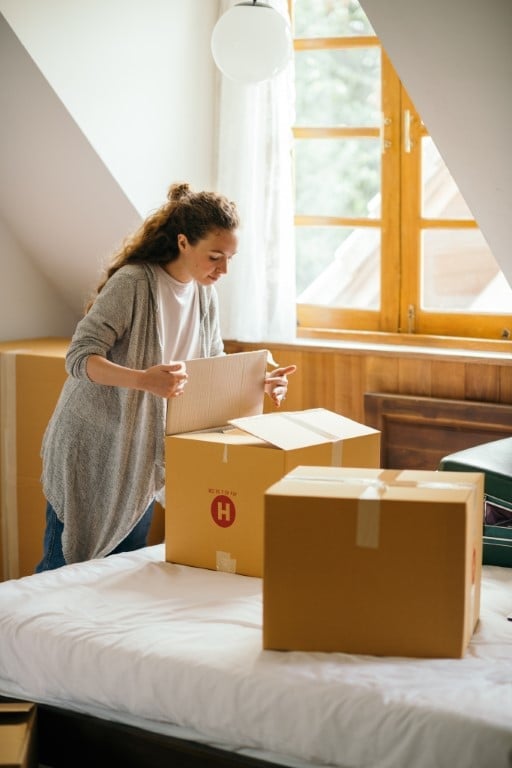
Glassware and dishware are among the most commonly damaged items. But this only happens when they’re not packed properly.
- Use Dish Boxes: Use double-walled boxes. The standard single-wall boxes aren’t strong enough.
- Wrap Each Piece Individually: Use at least 3 to 4 sheets of packing paper per plate.
- Stack Plates Vertically: Stack your plates on their sides (on edge). They’re less likely to crack that way.
- Pack Glasses Upright: You can use cardboard dividers between each one so they don’t bang against each other.
- Label Boxes Clearly: Mark “FRAGILE — GLASSWARE” on all sides of the box.
For step-by-step dishware and glassware packing instructions, check out: How to Pack Glassware and Plates

How to Pack Artwork and Paintings
Valuable artwork needs more than standard bubble wrap. It’s better to take additional measures than regret not doing so later on.
- Use Moving Blankets: These should be enough to protect smaller, less valuable artwork.
- Use Telescopic or Mirror Boxes: Choose these for framed pieces since they’re designed to fit them. These boxes also add corner protection.
- Consider Custom Crating: Consider using custom crates to transport high-value or sentimental pieces. You can also hire professional fine art movers if you have expensive artwork.
- Interleave Unprotected Frames: Never stack these face-to-face. Always add padding between them.
- Crate Sculptures: Use custom crates to move sculptures and 3D pieces whenever possible.
For detailed artwork, painting, and sculpture packing instructions, check out: How to Pack Artwork for Moving

How to Pack a Mattress
You’re definitely going to need a mattress bag. It’s going to keep your mattress clean during transit. And it will protect it from moisture if it ends up in storage.
- Measure Your Mattress: Before buying a mattress bag, you have to know the size of your mattress.
- Keep It Flat or Upright: Never fold a mattress for transport or storage.
- Use Climate-Controlled Storage: If your mattress is going to end up in storage, make sure the unit is climate-controlled. This prevents mold and mildew.
For a complete step-by-step mattress packing and transport guide, check out: How to Pack a Mattress for Moving

How to Pack Appliances
You can’t wait until moving day to pack appliances. These require advance prep work. At the latest, you’ll want to start preparations 2 days before the move.
- Defrost Refrigerators Early: Do this 48 hours before moving. Clean and dry the unit thoroughly.
- Run a Washer Cleaning Cycle: Let it dry for 24 to 48 hours afterward.
- Check Your Appliance Manuals: Always consult these for model-specific moving instructions.
- Hire a Professional for Gas Lines: Gas dryers and gas lines must be disconnected by a licensed professional.
- Protect and Move With Care: Use moving blankets and stretch wrap on surfaces. Move them with a dolly if you have access to one.
For complete appliance packing instructions (including fridge, washer, and dryer), check out: How to Pack Appliances for Moving

How to Pack Liquids
Don’t let leaking fluids ruin your things. Seal all liquid products the right way. Doing so can save you from headaches later.
- Seal Under the Lid: Place plastic wrap under the lid before screwing the cap back on.
- Place in a Ziploc Bag: This serves as a second line of defense should the plastic wrap fail to prevent leakage.
- Pack Upright: Store liquids standing up. And don’t forget to label boxes clearly. Movers will appreciate knowing if they’re transporting liquids.
- Watch for Freezing Temperatures: Liquids can expand and burst in the cold. Use a temperature-controlled truck for winter moves.
For a full liquid packing guide, check out: Packing Liquids for Moving

How to Pack Candles
Candles are more temperature-sensitive than most people realize. A little extra care here keeps them from melting or breaking during the move.
- Wrap Candles Individually: Use packing paper or bubble wrap for every piece.
- Use Small Boxes: Don’t give candles room to roll around. Fill in any gap with packaging filler.
- Keep Liquids Away: Keep candles away from liquids and other items that could transfer their scents.
- Watch for Hot Weather: Candles can melt in the truck during summer moves. Keep valuable ones in the car with you if possible.
For a complete guide to packing candles safely, check out: How to Pack Candles for Moving
Frequently Asked Questions
What shouldn’t you pack when moving?
Movers won’t take anything living, irreplaceable, corrosive, explosive, or hazardous. This includes:
- Pets, money, and perishable food
- Family heirlooms and valuable jewelry
- Cellphones, tablets, and laptops
- Medicine
- Financial documents
- Scuba tanks and aerosol cans
- Paint thinners, varnishes, and car batteries
- Ammunition, fireworks, and propane tanks
- Kerosene, gasoline, and charcoal
- Fueled power tools and yard equipment
- Plants, soil, pesticides, and fertilizers
- Hazardous cleaning supplies
How do you organize items before moving?
Going room by room before you pack saves you time. Ask yourself these questions:
- Have I used this in the past year?
- Do I need this? Or do I just love the idea of having it?
- Does it fit my current lifestyle?
- Is there room for it in my new place?
Toss, donate, or sell anything that doesn’t make the cut.
What packing supplies do I need?
See the Packing Supplies You’ll Need section above for the complete list. It includes boxes, padding, tape, and other essentials.
Should I hire professional packers or pack myself?
Professional packers are worth considering for those with large homes. They’re also ideal for those with valuable art collections. You should also hire them if you have to be out of your old place right away. Some people also hire professionals just because they appreciate the convenience.
We should also note that many moving companies offer partial packing. They handle just the fragile or specialty items. It’s a good middle-ground option.
But if you have an average-sized home, packing everything yourself can save you money. Just don’t underestimate how much time you’ll need.

Oz Moving Packing Services
Packing an entire home is one of the most time-consuming parts of any move. And when rushed, it can potentially damage your items.
Oz Moving offers several services that fit all sorts of timelines and budgets. Whether you’re packing everything yourself or looking for professionals to do everything, we have you covered.
- Full-Service Packing: Oz’s trained crew packs every room using professional-grade materials. It can even handle specialty items, from fine china to flat-screen TVs.
- Partial Packing: You pack most things yourself. But Oz handles the fragile, valuable, or difficult items. Ideal for those who are moving expensive artwork, electronics, and appliances.
- Custom Crating: This option protects high-value items like antiques, sculptures, and musical instruments.
- White-Glove Service: Oz packs, moves, unpacks, and even hangs artwork and TVs in the new home. This way, you can get settled the moment you move into your new home.
- Packing Supplies: Oz Moving also sells packing materials directly for anyone who prefers a DIY approach.
Oz Moving’s packing teams have handled over 500,000 moves. The same crews cover New York, New Jersey, Connecticut, and Los Angeles across more than 30 years in the industry.
Because of its experience, its movers know the right type of boxes to use. They know how to protect fragile pieces during long-distance transit. The company has an established process that allows it to operate on schedule.
Need a hand? Get a free packing and moving quote from Oz Moving.
Get a Free Quote | (212) 452-6683

Final Tip
Packing can feel overwhelming. But that feeling is only temporary. And so long as you follow our tips, everything should be fine. This guide explains how to move every room and item type in detail. So just take it one box at a time. Before you know it, you’ll be unpacking in your new home in no time.